

The burden of IOH
Experts agree: This is a patient safety issue¹
The Anesthesia Patient Safety Foundation has identified hemodynamic instability as a critical patient safety issue, emphasizing the need for proactive management to prevent harm.1
When blood pressure drops, risk rises
Intraoperative hypotension is often a late-stage indicator of hemodynamic instability and is a serious risk factor that, when left unmanaged, can lead to severe complications.
Depth and duration matter
Despite overwhelming evidence associating intraoperative hypotension with poor outcomes, its prevalence remains high across surgical patient populations.
IOH is a risk for all surgical patients
88% of non-cardiac surgery patients experience intraoperative hypotension for at least one minute.*2 29% of patients experience IOH for at least 15 minutes in community anesthesia practices — where patients are typically considered low risk.**3
*Hypotension defined as MAP <65 mmHg for at least 1 min.
**In an observational study of 127,095 patients undergoing non-emergency, non-cardiac surgery in community anesthesia practices where hypotension is defined as MAP <65mmHg.
29% of patients
experience intraoperative hypotension for at least
15 minutes**3

The risks we can’t ignore
Even low-risk surgical patients may face serious consequences
Numerous studies show that intraoperative hypotension is strongly associated with risk of end-organ injury – including myocardial injury after non-cardiac surgery (MINS), acute kidney injury (AKI) and delirium – as well as mortality.4-7

Mortality risk
Exposure to lower MAPs is associated with increased risk of myocardial injury after non-cardiac surgery (MINS) and 30-day mortality.5,7
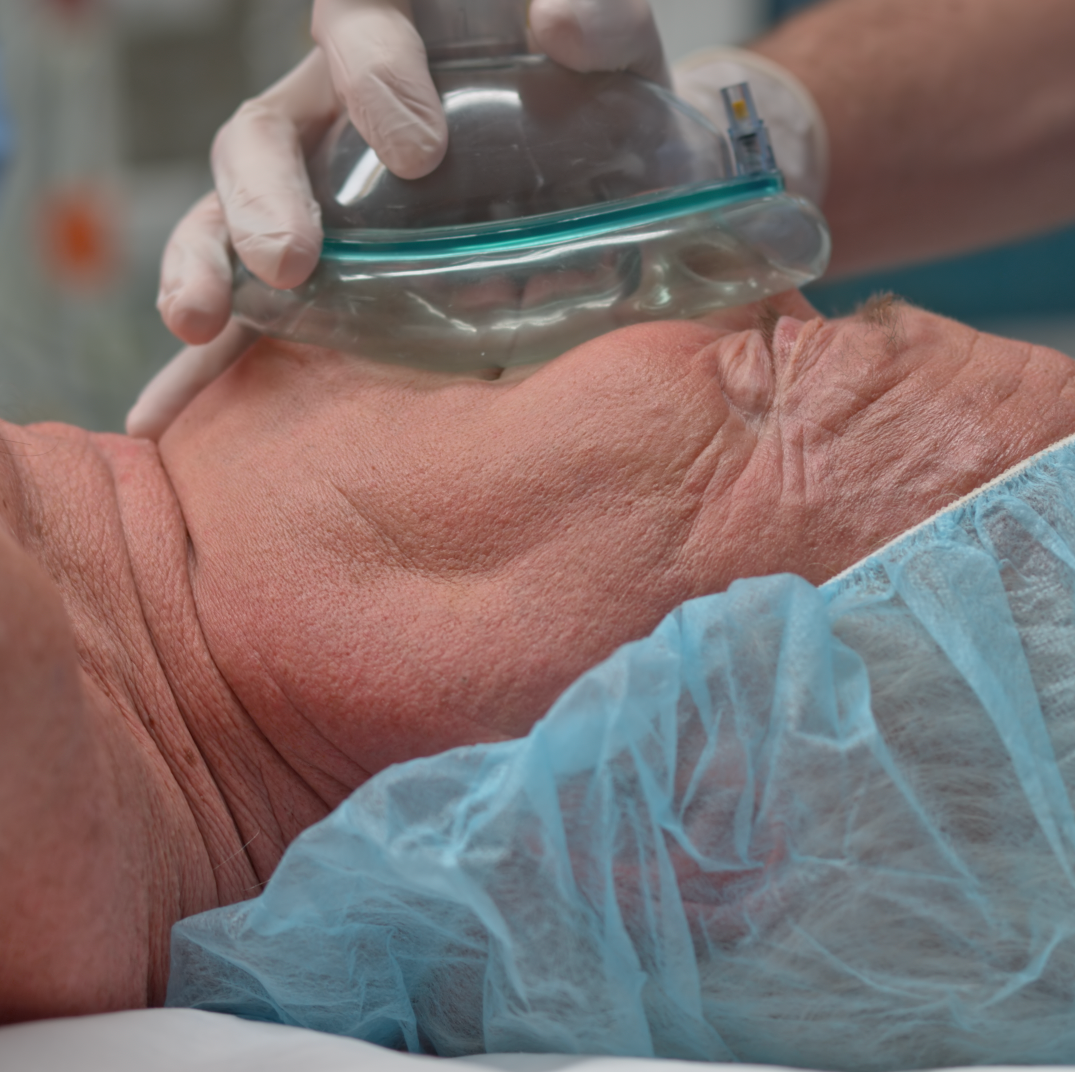
Acute kidney injury
AKI is not only associated with poor outcomes and increased length of stay, but can also increase hospitalization costs ranging from $9,146 to $49,320.8

High risk for low-risk patients
Patients typically considered lower risk are still susceptible to the adverse complications associated with IOH, including younger patients (18-39), patients with lower ASA physical status (ASA II), and patients undergoing shorter procedures.2,6,9,10
In a multicenter retrospective study of over 300,000 non-cardiac surgeries, there was no apparent safe amount of intraoperative hypotension.6
Is there a safe amount of hypotension?
Injury is a function of intraoperative hypotension severity and duration11
Hypotension is not only common, but non-cardiac surgery patients are also experiencing significant amounts. The depth and duration of hypotension directly correlates with the level of patient harm, making early detection and intervention essential.

36 Minutes
Patients who experienced IOH while undergoing non-emergency, non-cardiac surgery at community anesthesia practices spent an average of 36.2 minutes with a MAP <65 mmHg.*3

42 Studies
A systematic review of 42 studies found strong associations between prolonged durations of exposure to lower MAPs during non-cardiac surgery and increased risk of adverse postoperative outcomes.7

POQI-3
The Perioperative Quality Initiative-3 (POQI) consensus statement reinforced that injury is a function of IOH severity and duration.11
*In an observational study where hypotension was defined as MAP <65mmHg for ≥15 cumulative minutes.
Intraoperative hypotension is a modifiable risk factor that can, and needs to, be reduced.3,6,12
Look beyond blood pressure
Hemodynamic instability is complex, and relying solely on blood pressure measurements can lead to missed warning signs or inappropriate treatments.


Resources
Take a closer look at IOH

What if you could predict and prevent hypotension? What if you could identify the potential root cause and intervene sooner?
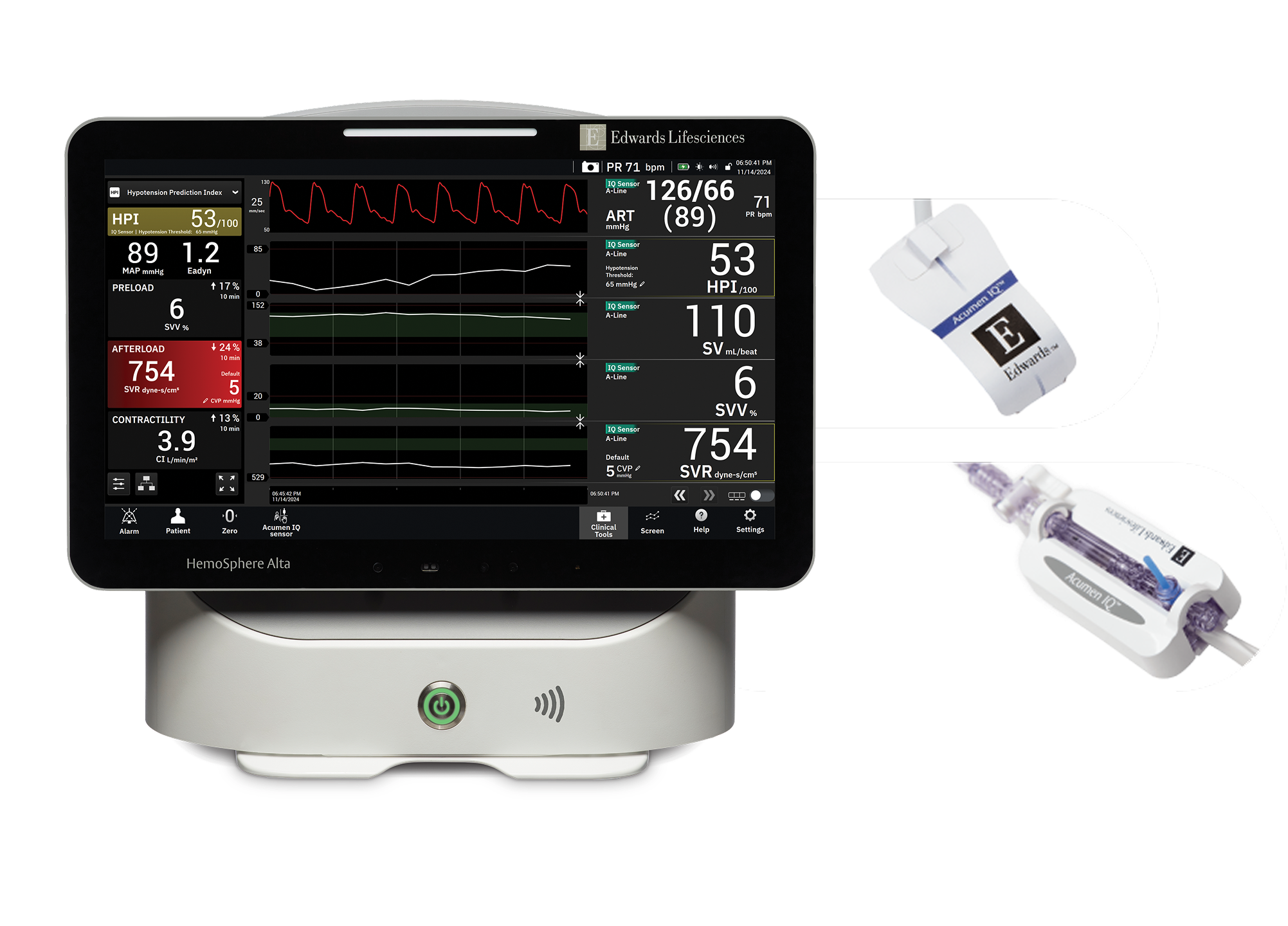
It starts with you. Unlock the power of predictive care with Acumen HPI™ Software.
Acumen Hypotension Prediction Index™ (HPI™) Software provides earlier warnings, deeper insights, and more time to act, helping you stay ahead of hemodynamic instability. With advanced predictive intelligence, it’s a smarter way to monitor and personalize care for your patient’s needs – potentially creating a positive ripple effect.
Want to Know How Often Hypotension Happens in Your Patients?
Contact Us to Find Out
References
- Scott MJ, APSF HIWG. Perioperative patients with hemodynamic instability: Consensus recommendations of the Anesthesia Patient Safety Foundation. Anesth Analg. 2024;138(4):713-724.
- Shah NJ, Mentz G, Kheterpal S. The incidence of intraoperative hypotension in moderate to high risk patients undergoing non-cardiac surgery: A retrospective multicenter observational analysis. J Clin Anest. 2020 Nov;66:109961.
- Saasouh W, Christensen AL, Xing F, et al. Incidence of intraoperative hypotension during non-cardiac surgery in community anesthesia practice: a retrospective observational analysis. Periop Med. 2023;12:29.
- Salmasi V, Maheshwari K, Yang D, et al. Relationship between intraoperative hypotension, defined by either reduction from baseline or absolute thresholds, and acute kidney injury and myocardial injury. Anesthesiology. 2017 Jan;126(1):47-65.
- Mascha EJ, Yang D, Weiss S, et al. Intraoperative mean arterial pressure variability and 30-day mortality in patients having noncardiac surgery. Anesthesiology. 2015 Jul;123(1):79-91.
- Gregory A, Stapelfeldt WH, Khanna AK, et al. Intraoperative hypotension is associated with adverse clinical outcomes after noncardiac surgery. Anesth Analg. 2021 Jun 1;132(6):1654-1665.
- Wesselink EM, Kappen TH, Torn HM, et al. Intraoperative hypotension and the risk of postoperative adverse outcomes: a systematic review. Br J Anaesth. 2018 Oct;121(4):706-721.
- French WB, Shah PR, Fatani YI, et al. Mortality and costs associated with acute kidney injury following major elective, non-cardiac surgery. J Clin Anes. 2022;82:1-7.
- Maleczek M, Laxar D, Geroldinger A, et al. Intraoperative hypotension is associated with postoperative nausea and vomiting in the PACU: a retrospective database analysis. J Clin Med. 2023;12(2009):1-13.
- Dogan L, Yildirim SA, Sarikaya T, et al. Different types of intraoperative hypotension and their association with post-anesthesia care unit recovery. J Clin Med. 2023;18(1):44.
- Sessler DI, Bloomstone JA, Aronson S, et al. Perioperative Quality Initiative consensus statement on intraoperative blood pressure, risk and outcomes for elective surgery. Br J Anaesth. 2019 May;122(5):563-574.
- Glassman SD, Carreon LY, Djurasovic M, et al. Intraoperative hypotension is an important modifiable risk factor for major complications in spinal fusion surgery. Spine. 2025;50(10):720-727.
- Ripollés-Melchor J, Valbuena-Bueno MA, Fernández-Valdés-Bango P, et al. Characterization of intraoperative hemodynamic instability in patients undergoing general anesthesia. Front Anesthesiol. 2024;3:1405405.
CAUTION: Federal (United States) law restricts these devices to sale by or on the order of a physician.
See instructions for use for full prescribing information, including indications, contraindications, warnings, precautions and adverse events.




BD, the BD logo, Acumen, Acumen IQ, Advancing the world of health, HemoSphere, HemoSphere Alta, HPI, and Hypotension Prediction Index are trademarks of Becton, Dickinson and Company. Edwards, Edwards Lifesciences, and the stylized E logo are trademarks of Edwards Lifesciences Corporation. All other trademarks are the property of their respective owners.
© 2025 BD. All rights reserved. BD-164051 v1.0 US